


January 19, 2026
Back to Blog
The first service vehicle usually gets the most attention.
By the time a contractor adds a second or third truck, decisions are often made faster and with less planning. What worked once is assumed to work again, and branding details start to slip.
This article breaks down the most common mistakes contractors make on their second and third trucks, why those mistakes hurt long term recognition, and how to avoid setting the wrong pattern as your fleet grows.
Short Answer
The biggest mistake contractors make on their second and third trucks is treating each new vehicle as a separate project instead of part of a growing system.
Without consistency, recognition slows down and branding loses momentum.
Treating Each Truck as a One Off
Many contractors redesign each new vehicle.
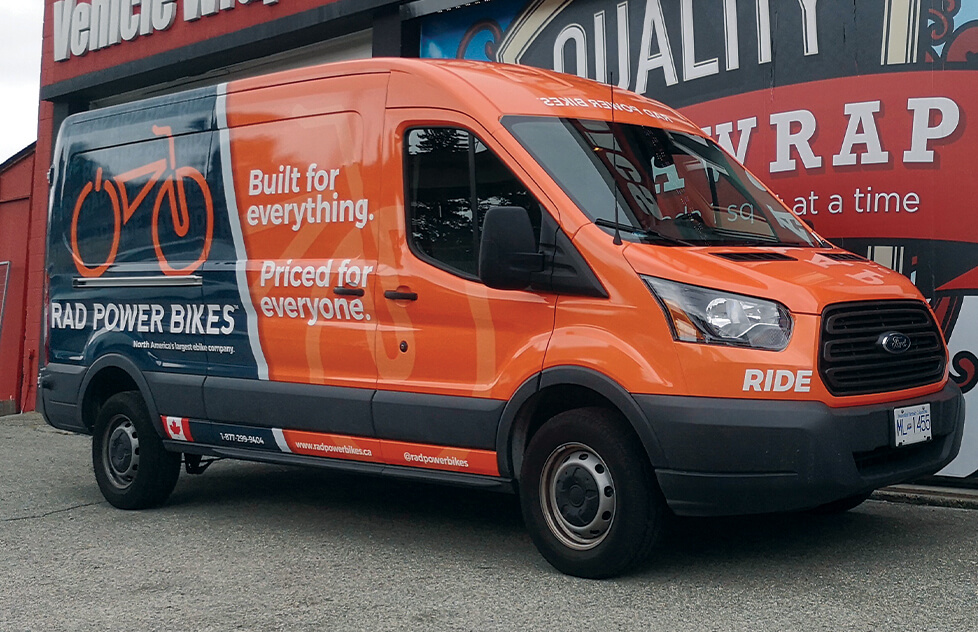
Colours shift, layouts change, messaging gets tweaked. Each truck might look good on its own, but together they fail to build a strong, recognisable presence.
Every new vehicle should reinforce the same brand, not restart it.
Changing Colours or Layouts Too Early
Early changes often come from second guessing.
A contractor may feel the first wrap could have been better and uses the second truck to experiment. By the third truck, the brand looks inconsistent and unclear.
Improvement should come through refinement, not reinvention.
Adding More Information With Each Vehicle
As the business grows, the temptation is to add more information.
More services, more credentials, more text. This usually makes later trucks harder to read and less effective than the first.
Clarity should improve with experience, not decline.
Ignoring the Long Term Plan
Second and third vehicles are often wrapped without thinking about the next five.
Without a long term plan, branding decisions become reactive. This makes future changes more expensive and recognition harder to build.
Fleet branding works best when growth is anticipated.
Letting Speed Override Consistency
Growth often brings urgency.
Vehicles need to get on the road quickly, and branding decisions get rushed. While speed matters, consistency matters more.
Shortcuts taken early tend to show up later as costly fixes.
What This Means for Contractors
The second and third trucks set the tone for everything that follows.
Contractors who prioritise consistency early build stronger recognition and avoid expensive rebrands later. The goal is to create a system that scales, not a series of disconnected designs.
Final Thoughts
Growth is a good problem to have, but it brings new branding responsibilities.
Avoiding early fleet mistakes keeps your brand strong as you add vehicles. The right approach turns growth into long term brand equity instead of brand confusion.